



When it comes to mobile connectivity, choosing between an eSIM and a physical SIM card can significantly impact your experience. Understanding their differences, advantages, and limitations will help you select the best option based on your needs.
In this article, we will explore the key distinctions between eSIMs and physical SIM cards, their benefits and drawbacks, and how they affect your device, mobile network compatibility, and daily usage.
What is a physical SIM card?
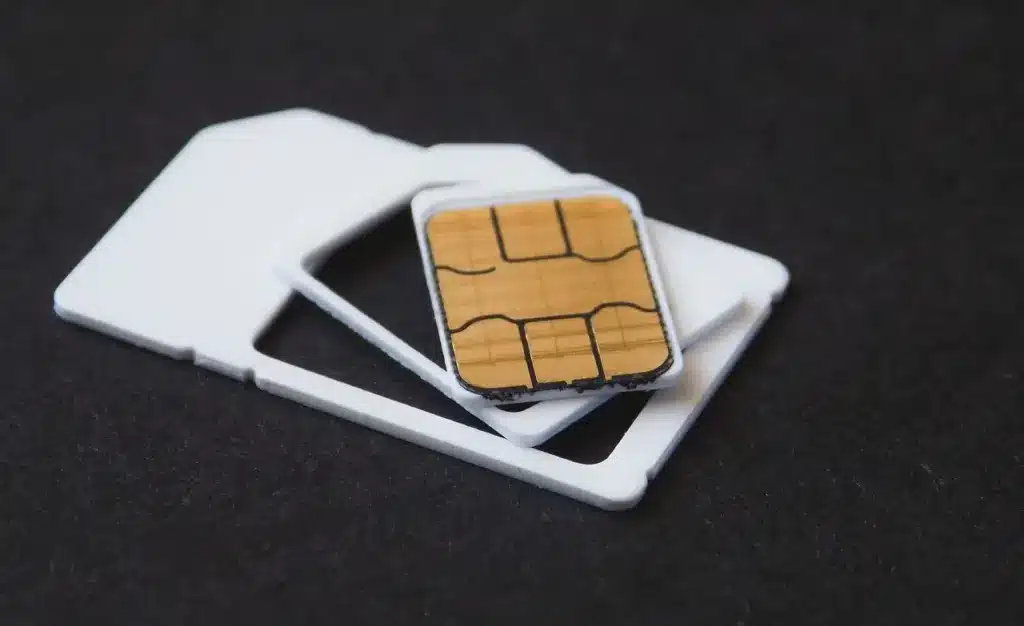
Definition and functionality
A physical SIM card is a small, removable chip that connects your device to a mobile network. Each SIM card stores unique subscriber information, including your phone number, carrier details, and authentication keys required to access cellular services.
For decades, physical SIM cards have been the standard method of mobile authentication, used in millions of devices worldwide. They come in different sizes—standard SIM, micro-SIM, and nano-SIM—depending on the phone model.
Advantages and disadvantages of a physical SIM
✅ Pros:
- Universal Compatibility – Works with nearly all devices, including older phone models that do not support digital SIM technology.
- Ease of Use – Simple to install, remove, and transfer between devices when switching phones.
- Carrier Flexibility – You can swap SIM cards when changing mobile operators, making it easy to switch plans.
❌ Cons:
- Risk of Damage or Loss – Since physical SIM cards are small and delicate, they can be lost, misplaced, or damaged over time.
- Limited Slot Availability – Many devices only have a single SIM slot, preventing the use of multiple carriers without a dual-SIM feature.
- Less Convenient for Travelers – Buying a local SIM card abroad requires visiting a store, inserting a new card, and manually setting up a plan.
What is an eSIM?
Definition and functionality
An eSIM (embedded SIM) is a digital SIM card built directly into your device, eliminating the need for a physical chip. Instead of inserting a SIM card, you can activate an eSIM using a QR code or a mobile app, allowing for seamless carrier setup.
This technology is becoming increasingly popular and is now supported by various modern devices, including the latest iPhone, Samsung Galaxy, Google Pixel, and other Android smartphones. Check our list of compatible devices here.
Advantages and disadvantages of an eSIM
✅ Pros:
- More Compact Design – Since an eSIM is embedded in the device, manufacturers can free up internal space for additional features or larger batteries.
- Instant Activation – No need to wait for a SIM card delivery. With an eSIM, you can set up a plan remotely in just a few clicks.
- Supports Multiple Profiles – An eSIM can store multiple carrier profiles, making it easy to switch between different networks. This is ideal for users juggling work and personal numbers.
- Eco-Friendly – Reduces plastic waste and eliminates the need for physical SIM card production.
❌ Cons:
- Limited Compatibility – Not all devices support eSIM technology. Always check if your mobile device is compatible before making the switch.
- Carrier Restrictions – Some mobile carriers do not fully support eSIMs yet, limiting plan availability.
- Digital Dependency – Unlike a physical SIM card, an eSIM requires internet access for activation and profile switching, which can be inconvenient in low-connectivity areas.
eSIM vs Physical SIM: Key differences
1. Ease of use and setup
A physical SIM requires manual insertion, and if switching carriers, you may need to purchase a new SIM card and physically replace it. In contrast, an eSIM allows for remote activation without needing a new card, making it much more convenient for frequent travelers or users switching plans often.
2. Flexibility and multi-network management
A physical SIM typically locks you into a single network, while an eSIM can store multiple profiles, allowing you to switch between carriers more easily. This feature is particularly useful for travelers or professionals managing separate personal and work lines.
3. Security and reliability
A physical SIM can be lost, stolen, or damaged, potentially leaving you without service until you obtain a replacement. eSIMs, on the other hand, remain embedded in your device, offering better physical security. However, digital threats like hacking or unauthorized profile switching remain concerns, though carriers implement strong security measures to prevent breaches.
4. Device compatibility
A physical SIM is widely compatible across all phone models, including older devices. In contrast, eSIMs require eSIM-compatible smartphones, such as:
- iPhone models (iPhone XR and newer)
- Samsung Galaxy devices (S20 series and later)
- Google Pixel phones (Pixel 3 and newer)
- Other Android devices with eSIM support
Before opting for an eSIM, ensure your device is compatible with the technology.
Which One Should You Choose?
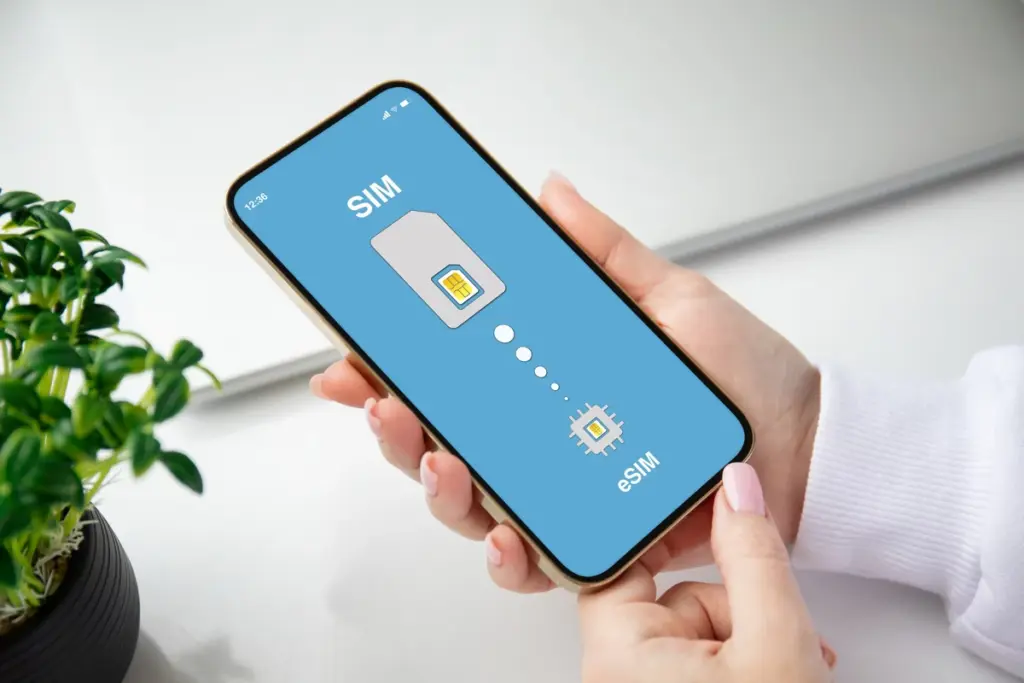
The decision between an eSIM and a physical SIM card depends on your specific needs:
- If you use an older device or prefer a traditional method, a physical SIM card remains a reliable choice.
- If you travel frequently or switch plans often, an eSIM provides superior flexibility and convenience.
- If you want a modern, streamlined experience, an eSIM allows for instant activation and multiple carrier profiles, making it a great long-term investment.
Many users wonder: Can I use an eSIM and a physical SIM at the same time? Fortunately, most modern smartphones support dual SIM functionality, meaning you can use both a physical SIM and an eSIM together for added flexibility.
Find the best eSIM plan for your needs
If you’re considering making the switch, it’s essential to find the best mobile plan. Our eSIM comparison tool makes it easy to compare providers, features, and pricing, ensuring you get the best deal for your needs.
By transitioning to an eSIM, you can enjoy hassle-free connectivity, quick plan activations, and the freedom to manage multiple numbers effortlessly. Whether you want to convert your SIM to an eSIM or explore the best eSIM plans, our platform offers expert guidance to help you make an informed decision.
Choosing between an eSIM and a physical SIM card is easier than ever with modern tools and mobile network innovations. Whether you prefer the familiarity of a physical SIM or the flexibility of an eSIM, the key is to select what best aligns with your mobile device and connectivity needs.
Don’t forget to check out our eSIM comparison tool to find the best plans available for your device. Experience the future of mobile connectivity today with eSIM technology!
💡 Curious about how Apple is pushing eSIM technology even further?
Discover why the iPhone 16 Pro is fully embracing the eSIM revolution — from advanced features to global compatibility.
👉 Explore the full guide on iPhone 16 Pro and eSIM benefits here